Developers, your product test passed. But did it actually work? I was downloading a document from a platform…
Innocent A. — Cybersecurity Analyst
Developers, your product test passed. But did it actually work?
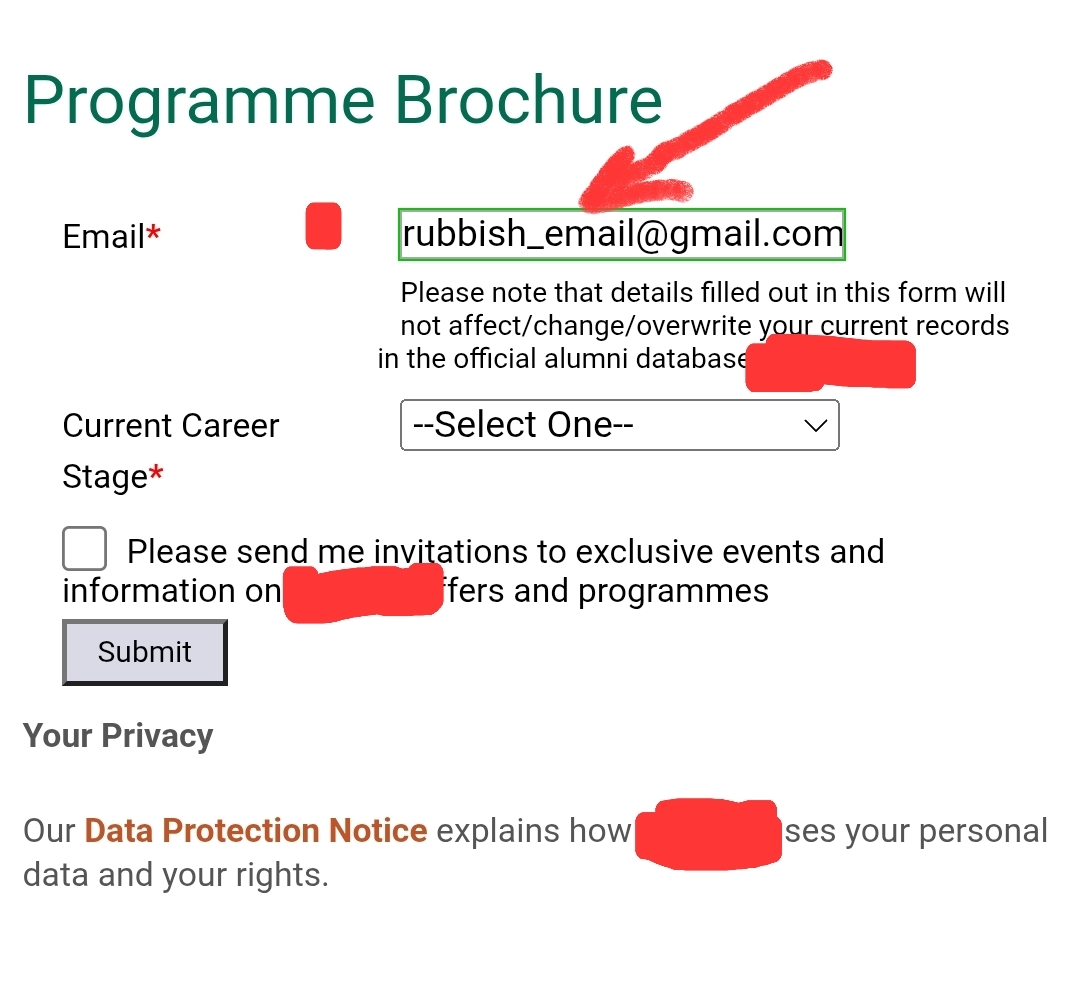
I was downloading a document from a platform recently. The form asked for my email address before granting access.
So I typed a random, made-up email address. "hsjbdbd@gmail.com", nothing valid. Hit submit.
The document downloaded instantly. No error. No friction. No gatekeeping.
The feature "worked." In the technical sense, it did exactly what it was coded to do, deliver the file on form submission. But the business intent behind it, capturing real leads, building a contact list, understanding who's downloading their assets, was completely defeated.
This is what happens when product testing checks for function but not intent. A field that accepts any input is not a validated field. It's a decoration.
Email validation is one of the most basic input checks in software development. Yet it gets skipped constantly, especially on lead-gen forms, download gates, and newsletter signups, because it "works" in the QA environment.
From a security standpoint, missing input validation is a well-documented vulnerability class. But even outside of security, it represents a quiet, invisible business cost that nobody notices until someone audits the CRM and asks: "Why is half our list fake?"
What other "it works but it doesn't work" oversights have you spotted during testing or in production? Drop it below, let's build a list developers actually need to see.
#ProductTesting #SoftwareDevelopment #Cybersecurity #QualityAssurance #InputValidation #TechLeadership
2 reactions · 0 comments
Topics: #softwaredevelopment, #qualityassurance, #inputvalidation, #cybersecurity, #producttesting, #techleadership